Smart Chicken Farming Project
liveA Qt/QML automation dashboard for a real poultry farm — feeding, drinking, lighting, heating, and water-level control to keep brooders and laying sections within survivable conditions.
What it does
An automation and monitoring dashboard for a working chicken coop on a real farm in North Rift Kenya — sensors and actuators manage the environmental parameters chicks and hens need to survive, with a touch-friendly Qt/QML UI for live status and manual overrides.
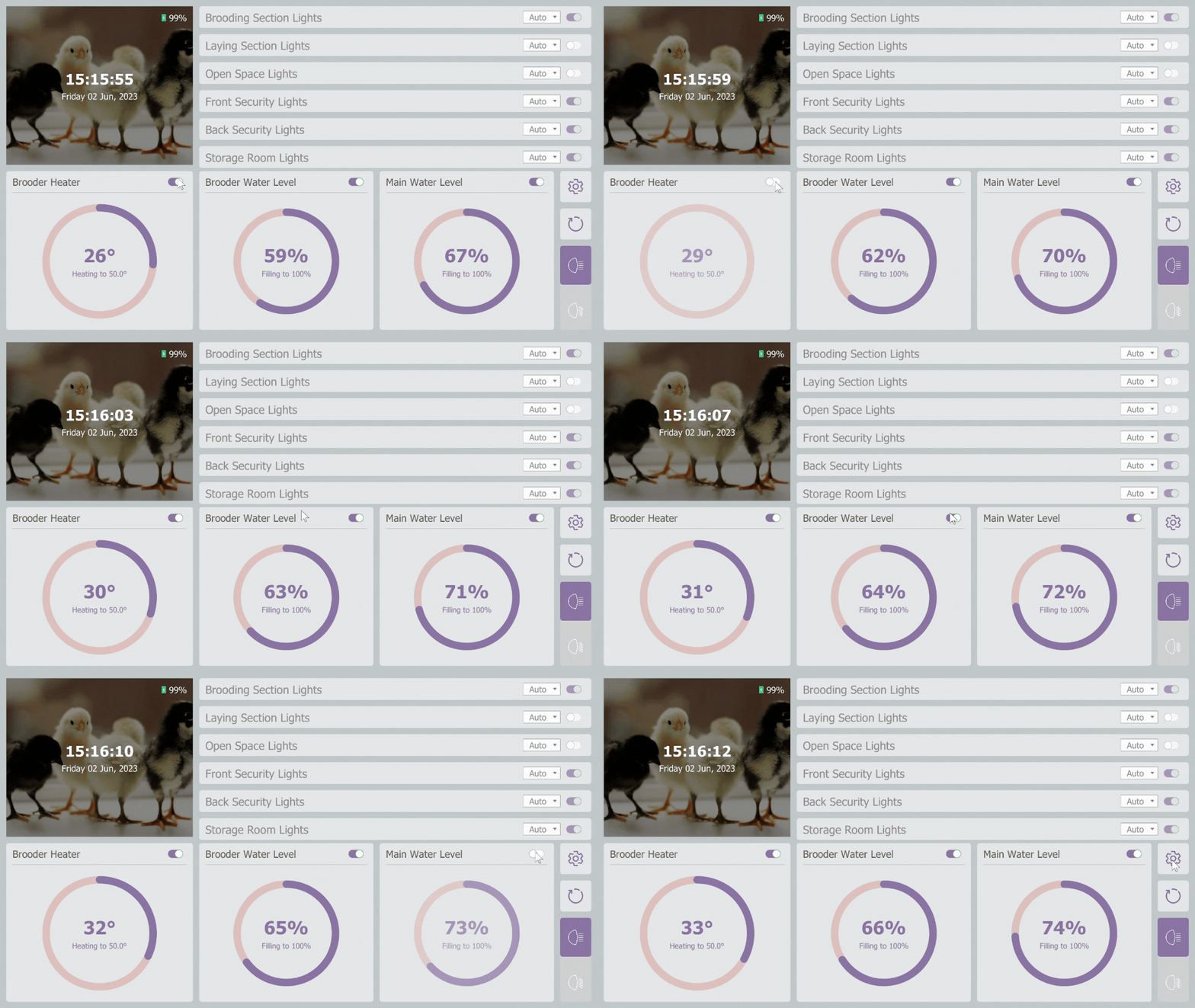
- Automatic lighting — zone-based brooding, laying, open-space, security, and storage lights with scheduled on/off and inactivity dimming
- Brooder heating — temperature monitoring and regulation toward a set brooding target
- Water management — brooder and main water-level sensing with automatic refill when levels drop
- Automatic feeding — preset-interval feeding for hens
- Live dashboard — time/date widget, battery status, circular progress gauges, and auto/manual toggles per subsystem
- Field deployment — built for continuous operation on the farm; still running today
Why I built it
A research project to prove low-cost IoT automation could improve poultry outcomes on a real smallholder farm — and to gather the field data behind my 2023 IEEE CAFE case study, Smart Chicken Farming; Case Study in North Rift Kenya.
How it works
- UI: Qt Quick / QML dashboard (PySide2) — splash, settings, light controls, progress cards, and custom widgets for switches, spinboxes, and circular gauges
- Automation logic: sensor-driven rules for lights, brooder heat, water refill, and feeding intervals configured via settings delegates
- Hardware integration: enclosure sensors and actuators wired to manipulate coop ambience — temperature, water levels, and lighting zones
- Research output: field measurements and operational learnings published at IEEE Conference on AgriFood Electronics (CAFE) 2023
- Deployment: installed on a live animal farm; continues to operate and monitor the flock
What I learned
Farm automation research only counts if it survives real conditions — power dips, sensor drift, and staff overriding controls when an alarm fires. Publishing the case study forced us to document what actually worked in the field, not what looked good in a lab demo.